

Some writers hear “world building” and immediately draw a continent. Six mountain ranges, four rival kingdoms, a sea nobody crosses, and a forest called the Forest of Eternal Something. There’s probably a dragon in there, although even the dragon isn’t sure why.
Three months later, they’ve designed the royal crest, invented a currency, and worked out who controls the turnip trade.
Meanwhile, they haven't written chapter one. Or even started.
World building can become an extremely sophisticated way of avoiding your novel. But done properly, it gives your story depth, makes conflict feel convincing, and helps readers believe in people and places that exist entirely inside your dangerous little brain.
And it isn’t just for fantasy authors. Crime novels, romances, historical fiction, and contemporary dramas all need believable worlds. You don’t need twelve kingdoms. You need a setting that feels as though it continues existing when your protagonist leaves the room.
Your World Is More Than Its Scenery
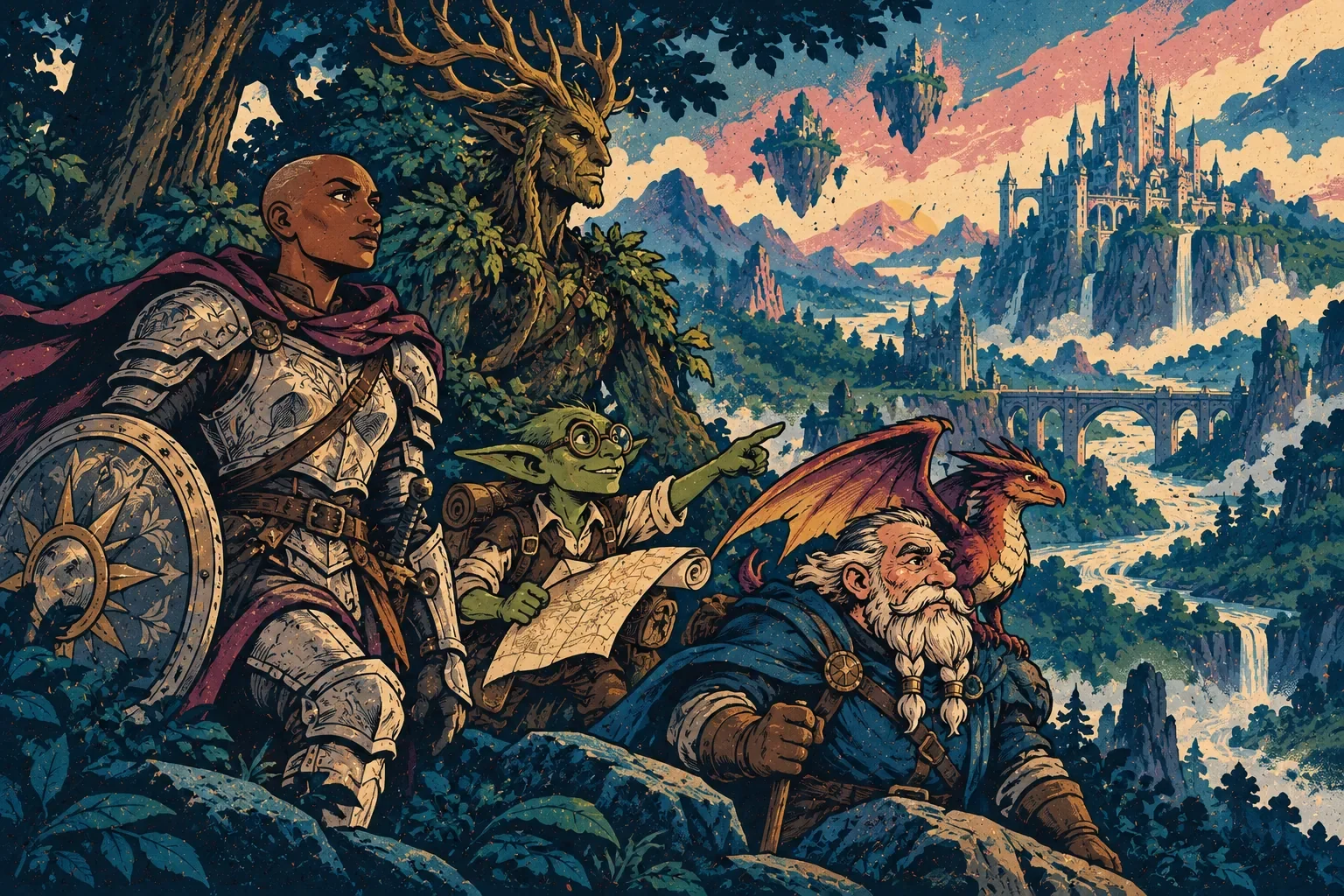
A setting gives us a location. World building helps us understand how life works there.
A seaside town might have a harbour, a café, and a disappointing souvenir shop. Those are useful details. But who can afford to live there? Does the town depend on tourists it secretly despises? What happens when the fishing boats stop making money? Who gets away with things because their grandfather owns half the waterfront?
Now you have a world that can generate a story.
Think about your setting through the pressures it places on people. What does it reward? What does it punish? Who feels comfortable there, and who has learned to keep their head down? The same street can represent security to one character and humiliation to another.
That difference matters more than whether you’ve established the precise colour of every front door.
Build Around the Story You’re Telling
Before inventing anything, ask what your story needs.
A romance set in a small village may depend on social expectations, limited privacy, and the fact that everyone knows who spent the night where. Your reader probably doesn’t need a detailed account of the district’s sewage infrastructure. Unless that’s how the lovers meet of course.
A political fantasy, meanwhile, may need clear rules about inheritance, military power, and control of essential resources. A survival story needs convincing terrain, weather, shelter, and access to food.
Start with the places, systems, and customs that affect your protagonist’s choices.
If your character needs to escape the city, work out who controls the gates. If they need medical treatment, establish who can provide it and what it costs. If marrying the wrong person could destroy their future, understand why.
This approach keeps world building useful. You can expand later when the story gives you a reason.
Understand Who Has Power
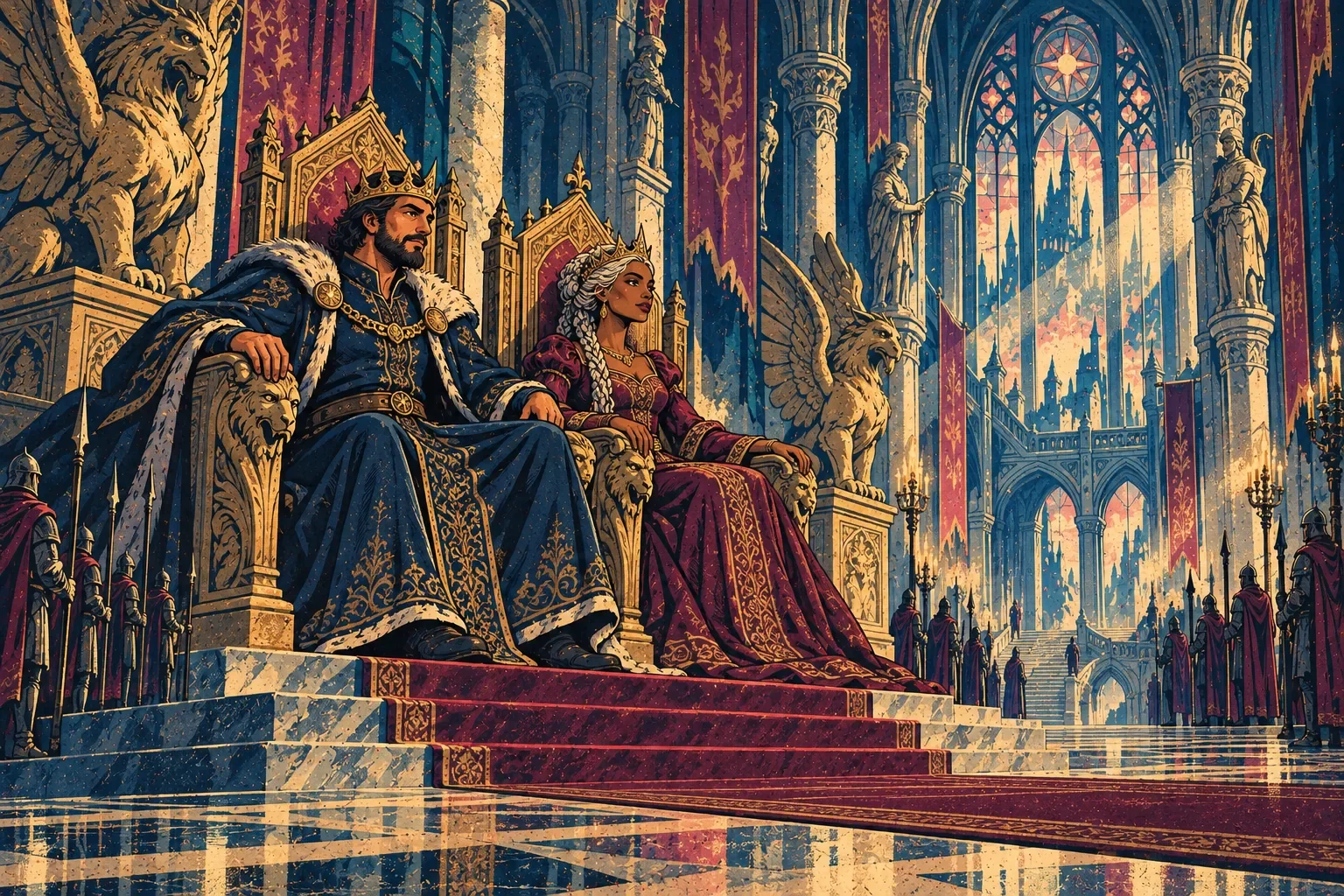
Every world has power structures, including the ones that insist everyone is equal while quietly reserving the best opportunities for people called Emperor Zork. Power may come from money, law, violence, knowledge, reputation, family connections, or control of something everyone needs.
The person officially in charge isn’t always the person who matters most. A mayor may hold office while a major employer controls the town’s future. A king may wear the crown while creditors decide whether his army gets paid or not.
Ask how power affects ordinary behaviour. Can people criticise their leaders? Can they leave a job without losing their home? Does reporting a crime offer protection or invite trouble? Who gets believed when accounts conflict?
These questions create stakes. A character confronting authority becomes far more compelling when we understand what retaliation might look like. “The council is corrupt” is background information. Watching the council withdraw someone’s trading licence makes that corruption tangible.
Let readers see the cost of living under the rules.
Follow the Consequences of Your Big Ideas
An interesting idea becomes a believable world when you explore what it changes.
Suppose people can communicate instantly across enormous distances using magic. Lovely. What happens to diplomacy? Trade? Military strategy? Can ordinary people use it, or only the wealthy? Can messages be intercepted? Do governments restrict access?
You don’t have to answer every question on the page. But you should think beyond “it looks cool.”
The same applies to quieter premises. If a village has no reliable public transport, teenagers, elderly residents, and people without cars experience that place differently. A missed ride can become a serious obstacle.
Try following a chain of consequences: because this exists, people behave this way; because they behave this way, this problem develops. You’ll discover more useful material than you will by randomly adding another ancient prophecy.
Give Everyday Life Some Attention
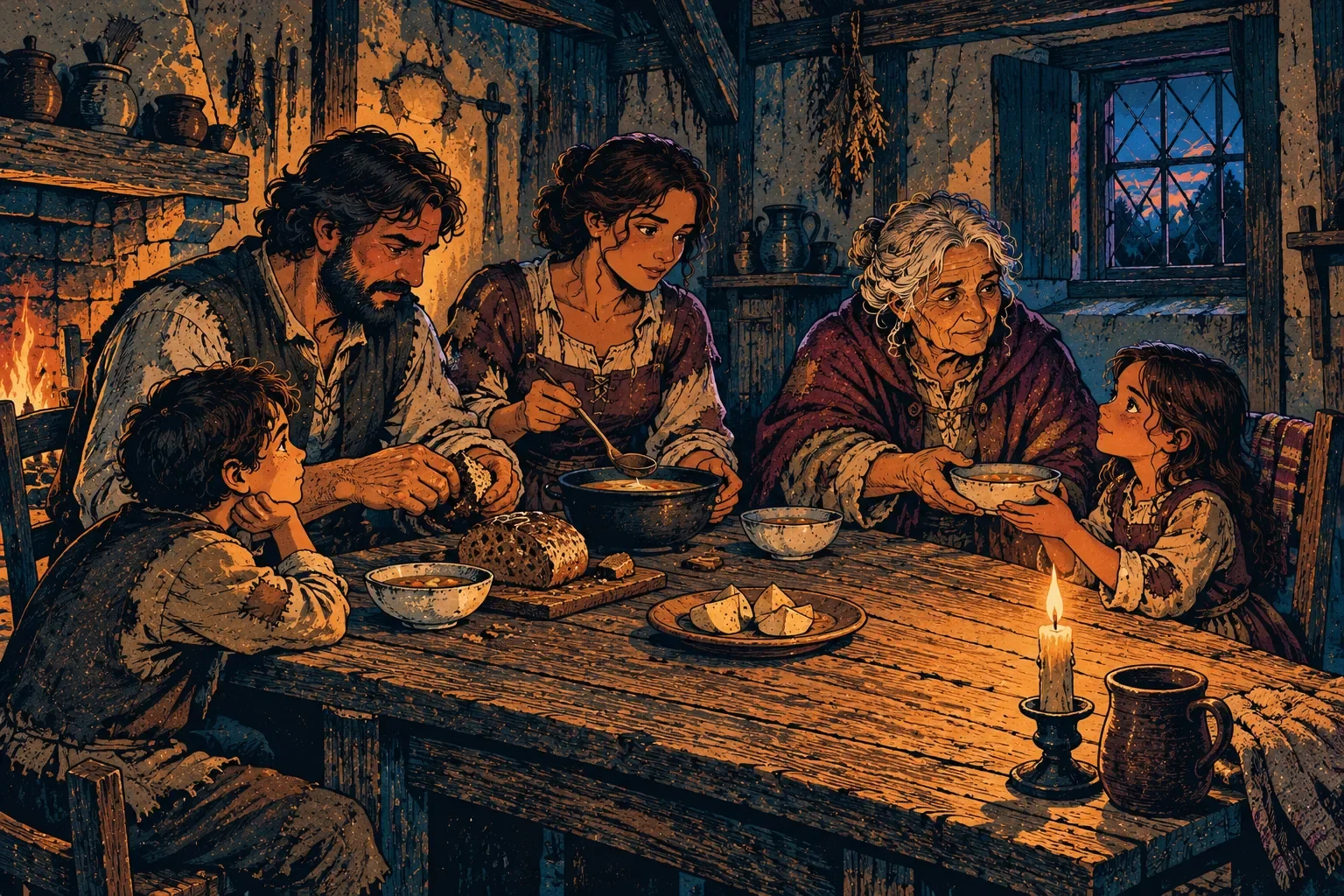
Readers don’t spend every moment in your world watching coronations and sword fights. Occasionally, someone needs lunch.
Everyday details make a setting feel inhabited. Think about housing, work, food, clothing, childcare, transport, and leisure. You don’t need to describe all of them. Choose details that reveal several things at once.
A family watering down soup tells us something about resources and pride. Workers sleeping beside their machines suggest long hours and limited options. A wealthy household throwing away food while servants queue for wages establishes inequality without requiring an essay.
Practical questions can also expose holes in your setting. If a remote settlement has a large population, what feeds it? If travel takes weeks, how do people preserve supplies? If everyone attends the royal tournament, who keeps the essential work going?
Your answer can involve magic or advanced technology. Just make it an answer you’ve considered, rather than a shrug.
Make Culture Something People Live
Culture isn’t just ceremonial clothing and unusual names. It includes assumptions about family, privacy, politeness, obligation, success, shame, and belonging. Much of it feels so normal to the people inside it that they rarely explain it.
One community may consider direct disagreement honest. Another may consider it humiliating. Someone can behave politely by their own standards and still cause a spectacular diplomatic incident.
That’s useful material. Show culture through expectations and reactions. Who begins eating first? What makes a gift insulting? How do people behave around grief? What does someone risk by refusing a family request?
Avoid making an entire population behave identically. People disagree, reinterpret traditions, ignore rules, and make exceptions for themselves. A religious character might observe a ritual devotedly. Their sibling might participate to keep their mother happy. Their cousin might arrive late and ask whether there’s wine.
Suddenly you have a family, rather than a museum display.
Let Geography Affect What Happens
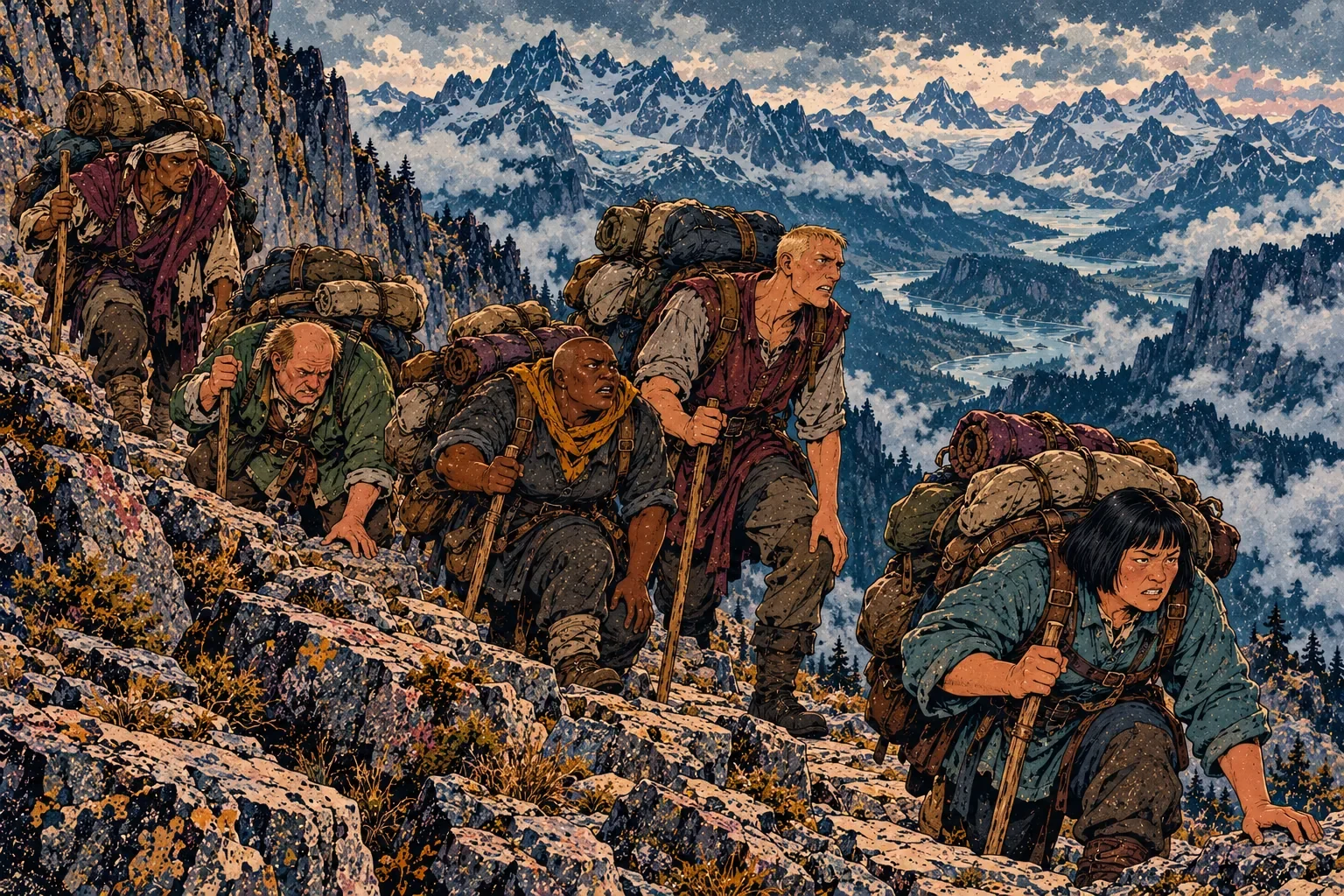
A map becomes useful when distance and terrain influence events.
Mountains complicate travel. Rivers can connect settlements while separating neighbourhoods. A harbour may bring wealth, visitors, disease, and competing interests. Seasonal weather can turn an ordinary journey into a terrible decision.
Consider what characters can realistically reach, how long it takes, and what they need along the way. Then keep it consistent. If travelling between two cities takes ten days early in the book, your hero cannot pop across in an afternoon because the climax has become inconvenient.
You can establish shortcuts, faster transport, or changing conditions. Give readers a reason.
For contemporary settings, geography still matters. A character’s world might be shaped by a dangerous crossing, an unreliable train service, or the difference between living near work and spending three hours commuting.
Distance is experienced through time, money, effort, and risk. Use those pressures.
Give Extraordinary Systems Limits
Magic and speculative technology can do remarkable things, but they still need boundaries. If your protagonist can solve every problem whenever they feel sufficiently emotional, readers may reasonably wonder why the previous two hundred pages were necessary.
Establish what a system can do, who can use it, and what using it demands. A limitation restricts ability. A cost makes success expensive. A vulnerability creates exposure. Perhaps healing magic cannot repair old injuries. Perhaps it exhausts the healer. Perhaps using it reveals their location.
Those rules create different kinds of tension. You don’t need to explain your entire system immediately. Readers can discover it gradually. But if a particular ability resolves the central conflict, give them enough groundwork to understand why that solution is possible.
Mystery can be compelling. A surprise exemption from your own rules is considerably less impressive.
Give the Past a Present-Day Job
History matters when its effects are still being felt. An old war might explain a border dispute, a ruined industry, or why two families refuse to share a table. A previous disaster might shape building regulations, religious practices, or public distrust.
You probably don’t need fourteen pages explaining how Emperor Whatsisname conquered the Northern Provinces in the Year of the Irritated Badger. You may need to show that his descendants still own the farmland.
Ask what survives from the past: institutions, debts, prejudices, architecture, stories, and unresolved claims. Also consider who tells the accepted version of events. A national hero may be remembered very differently across the border. A family’s proud founding story may omit the people who already lived on the land.
Let history create disagreement. People arguing about what happened often reveal more than an author delivering a perfectly organised lecture about it.
Show the World Through Your Characters
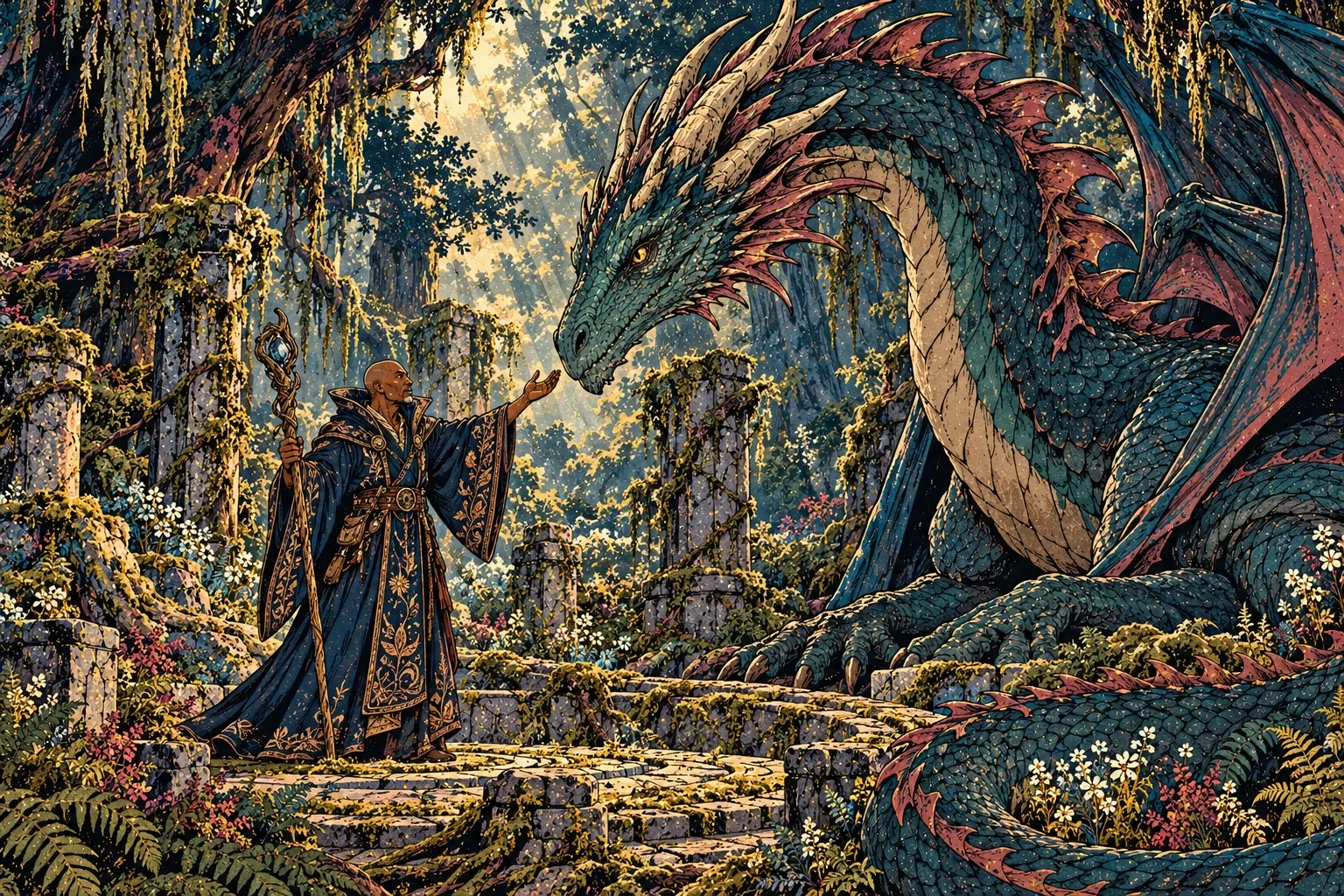
Your narrator doesn't need to become a tourist information officer. Characters notice things because of their needs, experience, and emotional state. A hungry person entering a market notices food and prices. A thief notices distracted shoppers. A former soldier notices the guards and the narrow exits.
The market stays the same. The reader’s experience changes.
This gives description a purpose. Instead of stopping the story to explain the world, you reveal the world while the character tries to do something. A customs inspection can establish trade restrictions and prejudice. An argument over rent can reveal housing conditions. A failed marriage proposal can expose expectations about class and family.
Be particularly suspicious of dialogue that begins, “As you know…” If both characters already know that the kingdom has banned sorcery, they probably won’t recite the legislation over breakfast for our convenience.
Let someone break the law. We’ll catch up.
Research What You Need to Get Right
Inventing a world doesn’t remove the need for research. It changes which questions you need to investigate.
Historical fiction requires attention to the particular time and place. Contemporary fiction needs convincing institutions, professions, and locations. Fantasy can benefit from understanding agriculture, travel, construction, or how people organise themselves under pressure.
Research specific problems rather than collecting facts indefinitely. If your character must cross rough terrain with an injury, investigate that situation. If a key scene depends on an inheritance dispute, understand the relevant legal context—or establish clear fictional rules.
Be careful when drawing on living cultures. One article, a costume reference, and a vaguely remembered documentary are thin foundations for an entire society.
Use varied sources and distinguish between documented practice, personal experience, and your own invention. Then return to writing. Research should strengthen the book. It shouldn’t become a respectable-looking tunnel through which you escape finishing it.
Keep Track, Then Revise for Believability
Maintain a simple reference document as you draft. Record names, travel times, important rules, social customs, and details you’re likely to forget. It doesn’t need decorative borders or a database with seventeen interconnected dashboards. You’re writing a novel, not launching air traffic control.
During revision, look for contradictions and conveniences. Does money suddenly stop mattering? Do guards become incompetent whenever the protagonist needs access? Does a supposedly strict society ignore behaviour that should attract attention?
Check whether the setting affects events throughout the book, rather than appearing briefly in descriptive paragraphs. Confusion may mean you need one clear sentence. It doesn't automatically justify an appendix.
Build enough of your world to understand how people live there, what limits them, and what they might risk to change their lives. Then put someone under pressure and let the place complicate matters.
The turnip trade can wait.

Want to Learn More?
I set up a self-publishing automated machine to help me scale up my monthly revenue to $6000+.
Find out more by buying The Self-Publishing Machine.
Did you enjoy this article? Then help me write the next one by buying me a cup of tea!